05 · Consumer mobile · 2020
Yes.Fit App
As the only designer, I rebranded a virtual-fitness app around the people who actually used it, then added personalization that lifted challenge completion by up to 34%.
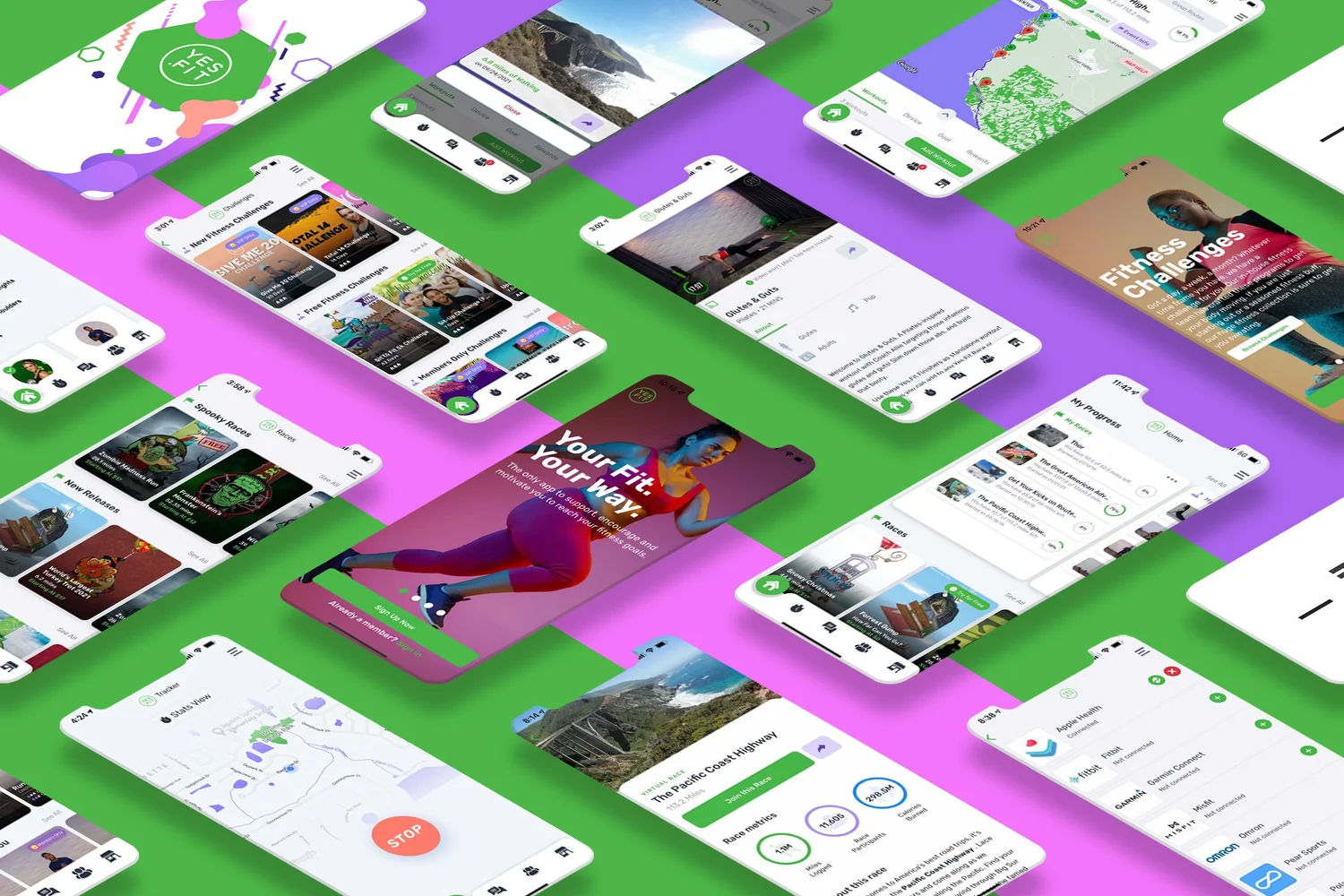
An app that did not look like its own users.
Yes.Fit turns exercise into virtual challenges: walk or run a themed route, follow your progress on a map, and earn a real medal at the finish. The product was fun. The design was talking to the wrong person.
As the only designer, I owned the full redesign: research, brand and visual direction, UX, UI, prototyping, the design system, and handoff. I rebranded the app to fit its real audience, then partnered with engineering to add ML-driven personalization so each member saw the challenges most likely to keep them moving.
The result was meaningfully higher completion, longer sessions, and a product that finally felt made for the people using it.
+34%Challenge completion, personalized cohort
+28%Completion from representative imagery
+15%Session length
+40%Motivational-content engagement
A dark, hardcore look for a warm, everyday crowd.
The existing app leaned dark and aggressively athletic, all black backgrounds and hard edges, the visual language of a hardcore training app. But the people actually finishing Yes.Fit challenges were largely everyday adults, skewing female and older, who wanted encouragement and a sense of community, not a drill sergeant.
That mismatch was quietly costing completions. People signed up for a fun themed race and opened something that did not feel like it was for them.
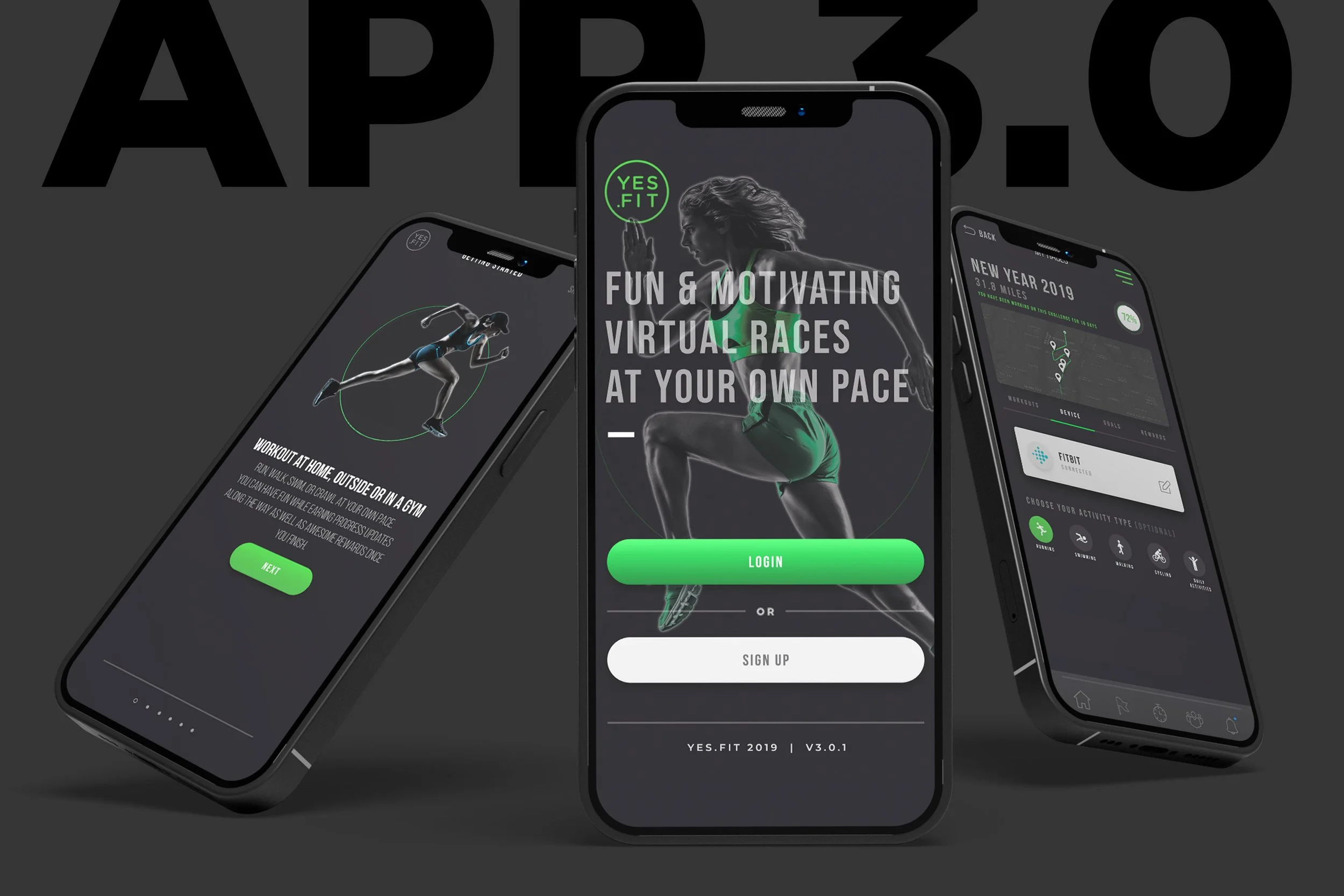
One designer, several compounding issues.
A brand-audience mismatch. The look spoke to hardcore athletes, not the everyday members who made up most of the base.
One-size-fits-all content. Everyone saw the same challenges regardless of interest or ability, so relevance was low.
Flat engagement. Sessions were short and completion rates lagged the effort people put into signing up.
No system, messy files. Design lived in scattered Sketch files with no shared components, slowing every change.
The challenge
Make every member feel the app was built for them, in how it looks and in what it shows them, and turn that belonging into more finished challenges, as a team of one.
Three rules I designed against.
01
See yourself in it
Imagery and tone should reflect the real, diverse audience, not a stock idea of an athlete.
02
Motivate, do not measure
Lead with encouragement and progress, not punishing stats. Celebrate showing up.
03
The right next challenge
Relevance keeps people moving. Show each member the challenge they are most likely to finish.
A warmer, more inclusive face.
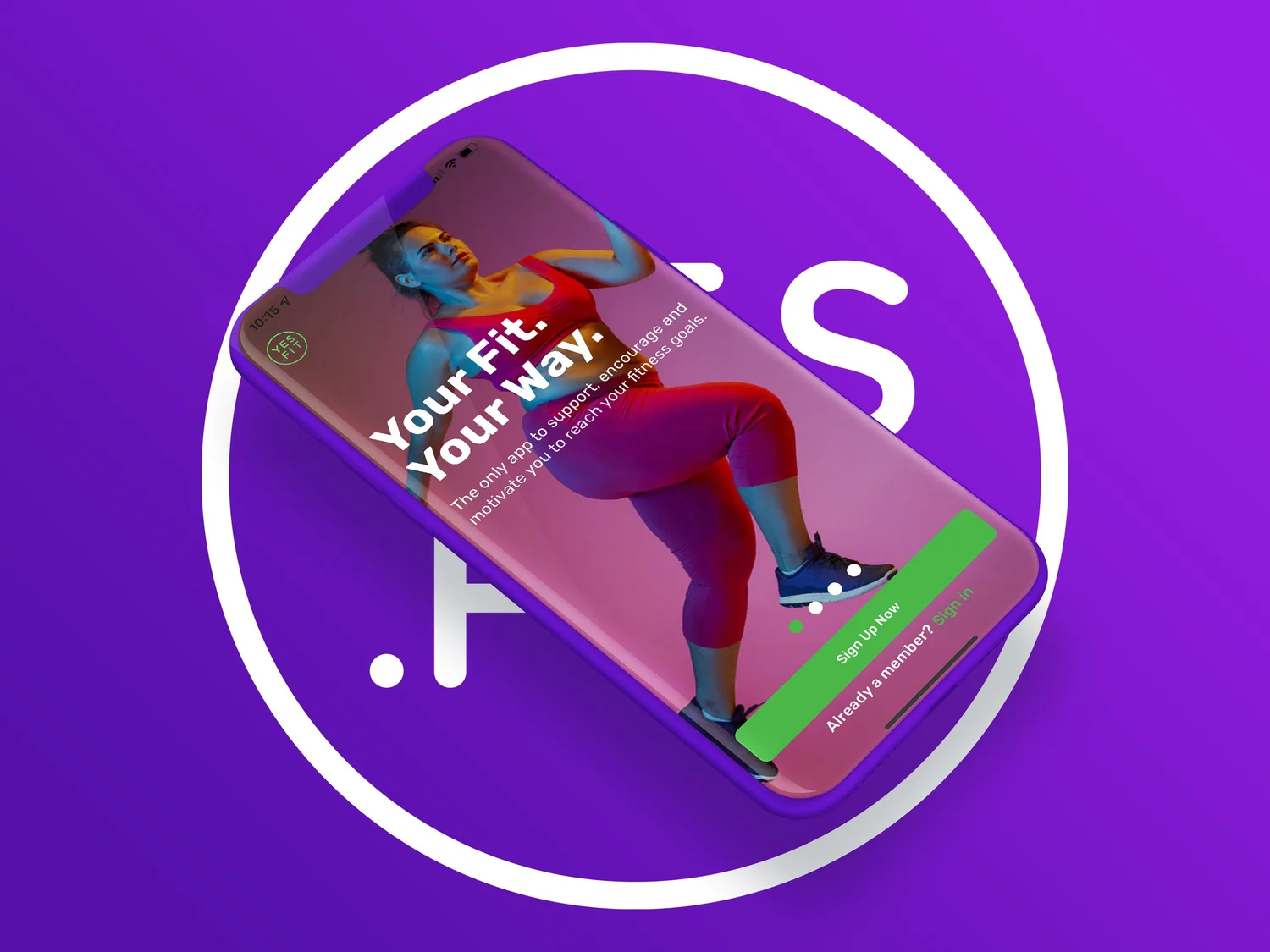
I rebuilt the visual language from the ground up: lighter, warmer, and human, with photography and illustration that showed the actual range of people doing these challenges. The tone shifted from hardcore performance to friendly encouragement.
This was not just aesthetics. When I swapped the hard, athlete-centric imagery for representative photography of everyday members, challenge completion rose 28% on its own. Seeing someone who looked like them finishing a route made people believe they could too.
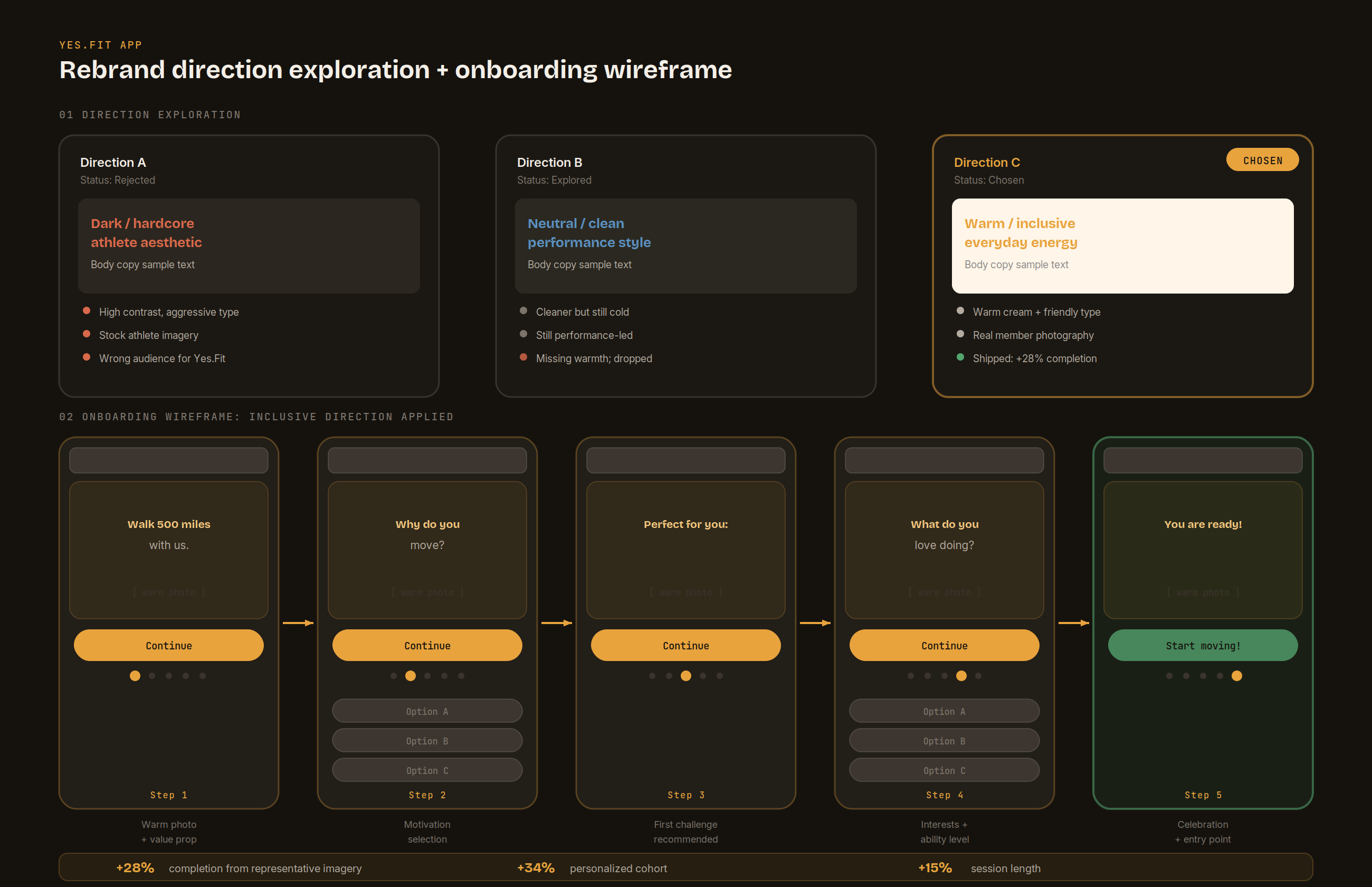
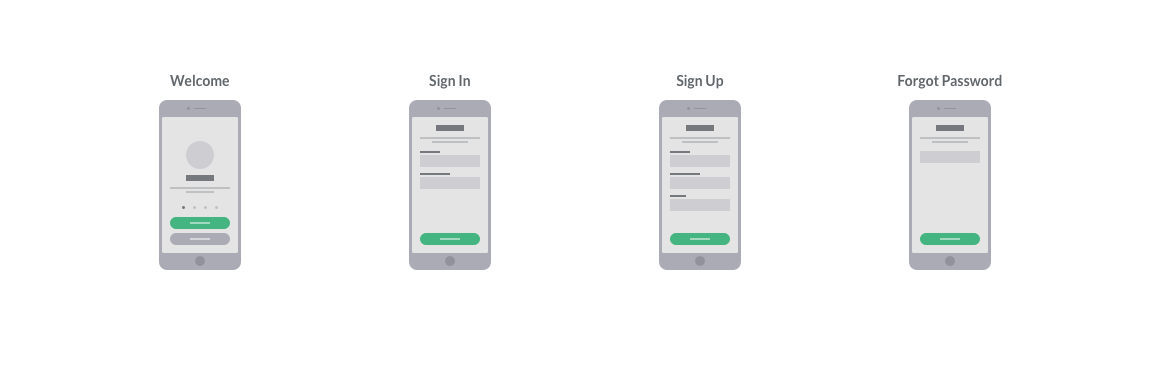
The right challenge, for the right member.
A generic catalog made even great challenges easy to scroll past. I partnered with engineering to add machine-learning recommendations using AWS Personalize, designing the surfaces that turned behavioral signals into a personalized set of challenges for each member.
The design work was making the recommendations feel earned and clear rather than mysterious: framing why a challenge was suggested, keeping discovery browsable, and protecting the sense of choice.
Impact
Members in the personalized cohort completed 34% more challenges than the control. Relevance, surfaced well, kept people moving.
Designing for the days people want to quit.
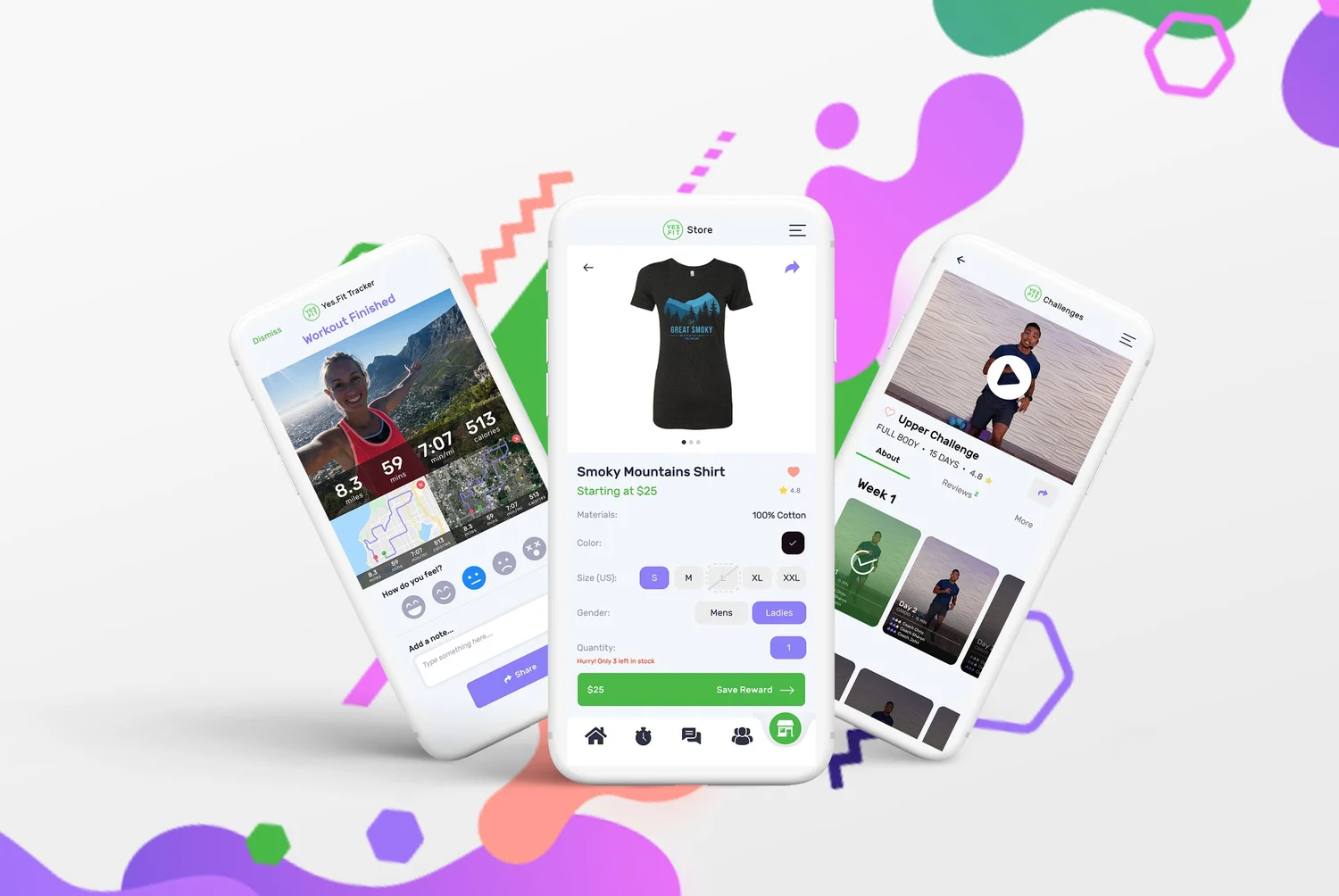
Finishing a multi-week virtual race is mostly about the middle, the unglamorous days when motivation dips. I built motivational content and progress moments into the core loop: encouragement at the right time, visible progress toward the medal, and small celebrations along the way.
Engagement with that motivational content rose 40%, and average session length grew 15%. People came back more often and stayed a little longer each time, which is exactly what carries someone to a finish line.
Building a system while flying solo.
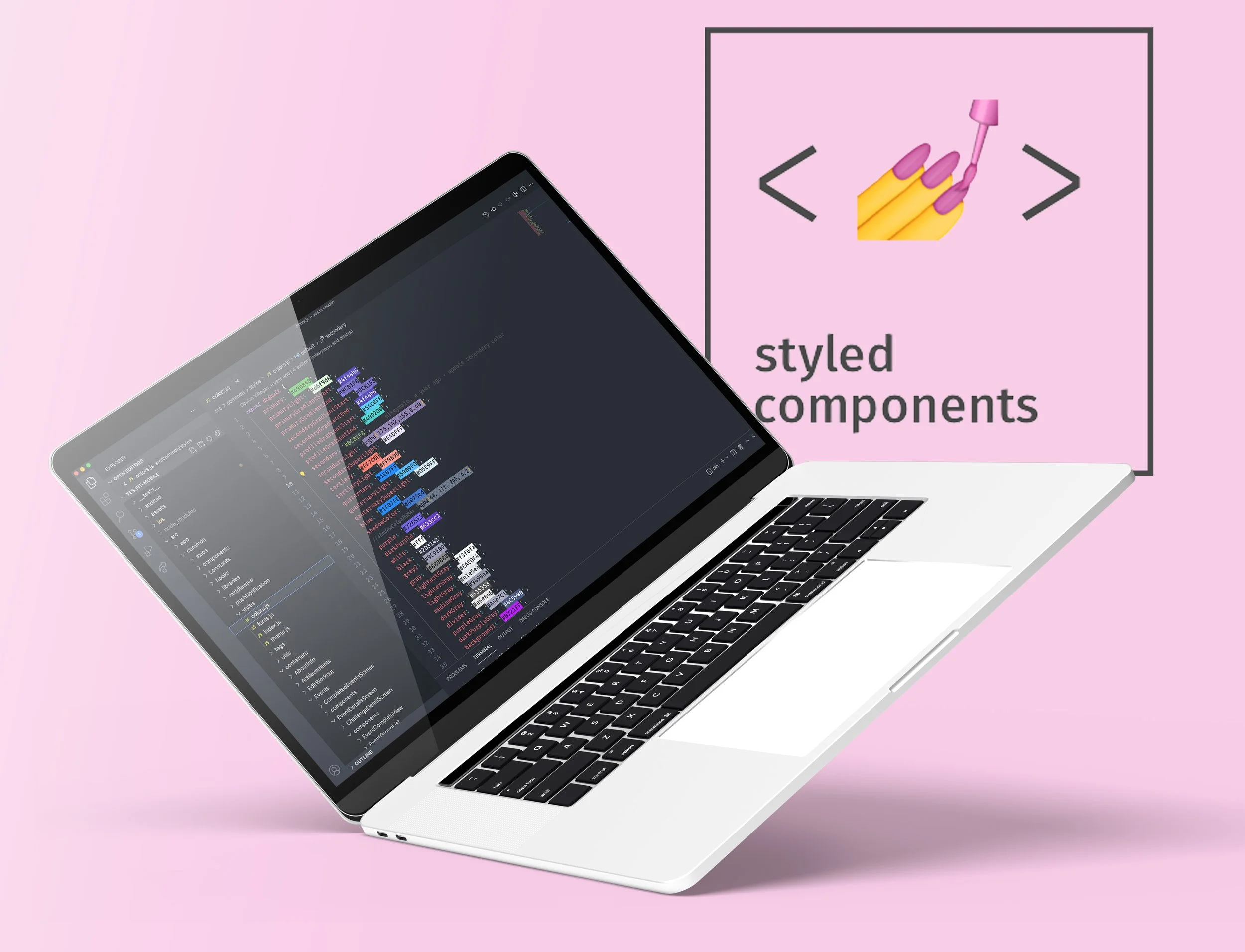
As the only designer, consistency and speed had to come from tooling. I migrated the work from scattered Sketch files into Figma and built a proper component library and style foundation, so a one-person team could ship a cohesive product and hand off cleanly to engineering.
A product that finally fit its people.
The rebrand and personalization compounded. Representative imagery alone lifted completion 28%, and members in the personalized cohort completed 34% more challenges than the control. Motivational content engagement rose 40% and sessions grew 15% longer, across a base of roughly 44K users.
+34%Challenge completion, personalized
+28%Completion from representation
+15%Session length
44KMembers served
What I took from it.
01
Representation is a metric
Showing people themselves was not a soft win. It moved completion 28% with no other change.
02
Design the ML, not just the model
Recommendations only worked once the surfaces made them feel clear and chosen rather than imposed.
03
Tooling is leverage for one
A real system in Figma let a solo designer ship like a team and keep quality consistent.